
Are You Compensating? Lack Mentality and Late Stage Capitalist America
4/19/20266 min read


Compensating means trying to make up for something that isn’t there...
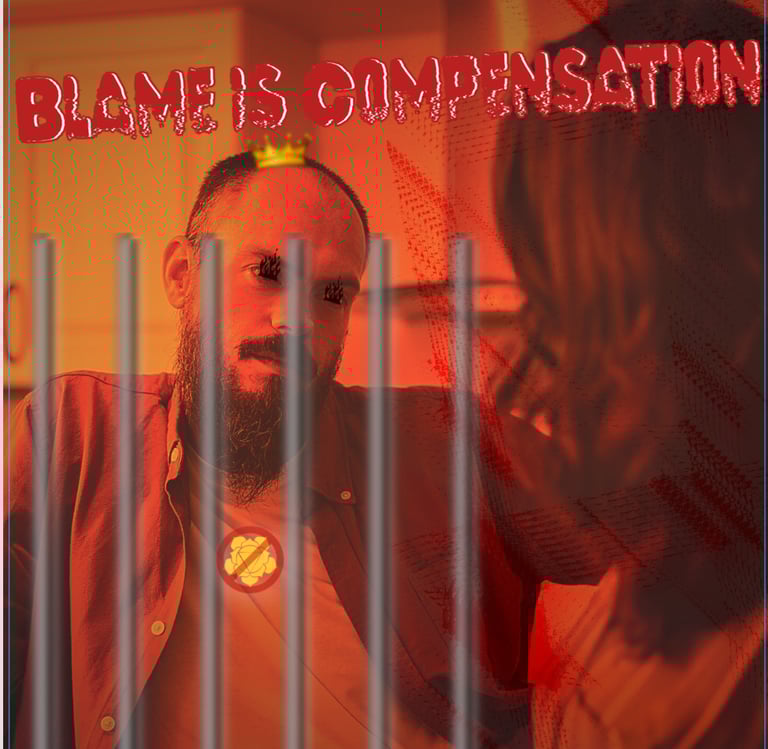
Blame is a reflexive defense against this feeling of lack. Many of us fantasize about fixes. Thoughts like “if only this one thing were different, I’d be happy,” may happen consciously or unconsciously.
The point is, blame is a compensatory emotion. It masks feelings of grief that come with the emptiness this system needs us to feel.
Compensation through control over women became run-of-the-mill policy, which transferred to the Colonies as the United States was forming.
The weakness and laziness of Puritan settlers was compensated for through the objectification and enslavement of African people.
In addition to compensating for intellectual and physical shortcomings, these thieves used human beings as a form of material wealth—in a land where they lacked monetary resources.
They used people as objects of capital.
Dominance and extraction became the blueprint for the modern American psyche.
US citizens have inherited a collective nervous system that constantly initiates impulses to control, seek material gains, or blame others.
The bias of people who deny this toxicity often shows in their actions. They talk over those voices, reject accountability, and look away in the face of atrocities happening before their eyes. This is power scarcity and compensation hard at work.






When the lack-pattern moves from the halls of government into the private dimension of our own bodies, it transforms from an economic, capitalist strategy into disease and a chronic state of tension.
Not only does this shorten lives—creativity and connection are stunted. Worst of all lack-mentality is a vicious circle; striving to fill the void reinforces the idea that we are incomplete.




The narrative that we're missing something is a symptom, while the root is upstream from thoughts of lack.
If we go to bodily sensations before the stories of the mind, the actual tension of lack will be felt. From here it is replaced with something more natural and wise.
Start with bringing disinterested curiosity to the sensation; is it vibrating in the chest? Is it a hollowness in the belly?
The American drive to compensate—born from a history of scarcity, labor demands, and a learned ethic of dominance—has left us with a culture that is materially prosperous but ultimately internally neglected.
The only options (to gain or blame) in the US today maintain feelings of tension and fear. Many people are waking up to the third option.
We can finally stop the cycle. The shift from internalized systemic dominance to internal curiosity and a return to spaciousness is the ultimate act of decolonizing the self.


Stepping out of the lack-pattern does not force us to change our thoughts. Instead it builds the ability to recognize what is happening in the moment and stay available to that.
When we make a commitment to transparency we stop trying to fix restlessness and start seeing it as a guest to be welcomed.
The pattern loses power when we go from dissociation to engaging with oneself on a deeper level. We discover, perhaps for the first time, that the hole we were trying to fill was actually an illusion. Wholeness already is the very nature of who we are at the core.
This is the process of reuniting consciously with the awareness that we are. If you are reading this, you know this already on some level.
And in recognition of that, I am so glad to be walking toward reunification with you.
by taking something else.
I'm convinced life in the United States today makes it seem normal to compensate for a constant sense of lack. I'm here to tell you why it's not normal. I'm telling you—it's beyond sick.
Lack is a putrid stink infusing laws, policies and systems of our socio-economic order. It is the feeling of not having enough...and this odor has seeped into and putrified our thinking.
Lack pushes us to compensate, and this ends up infusing choices around career, marriage proposals, and even deciding whether to have children or not with compensation.
Yep—little d*ck energy.


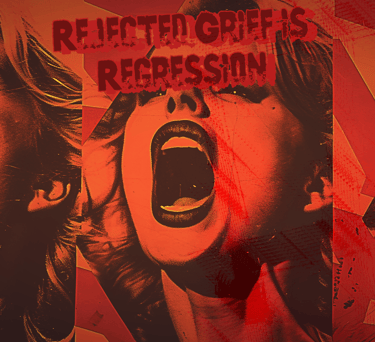


I recently did a video on YouTube sharing the ways compensation adapts over time, and is always accompanied by lack.
Patriarchal law in Western society began after a combination of death and low birthrate brought modern populations to an all time low—
a result of the Bubonic Plague.
The result was a lack of workers that modern society demanded. The European government compensated by claiming single, unmarried or childless women were witches, and murdered them.


As enslaved people's labor expanded the country, power dynamics were deeply etched in the minds of early Capitalists. When babies, crops, or physical labor was scarce, people saw lack. A mentality of lack began to grow.
This manifested as individualism; a script that said one must dominate over others to access resources they might otherwise snatch up.
Scarcity went from a tangible lack of resources to a lack-mentality festering in the minds of all people.




Interconnectedness begins with reuniting
with what is forgotten or avoided
It is
resistance to the feeling
of lack that produces compensatory living
Now, the mind may attach stories to the experience. Without following those stories, allow any felt resistance to be welcomed and included.
It is resistance to the feeling of lack that produces compensatory living. Instead, bring real curiosity to resistance on a feeling-level. Is it different than the lacking feeling? What is that sensation like and where is it?
Lack often manifests as bitterness, restlessness, or yearning for 'something' else
As if this wasn’t bad enough, the government made these killings public spectacles.
The message was clear: freedom of body or mind for a woman is a crime punishable by death.
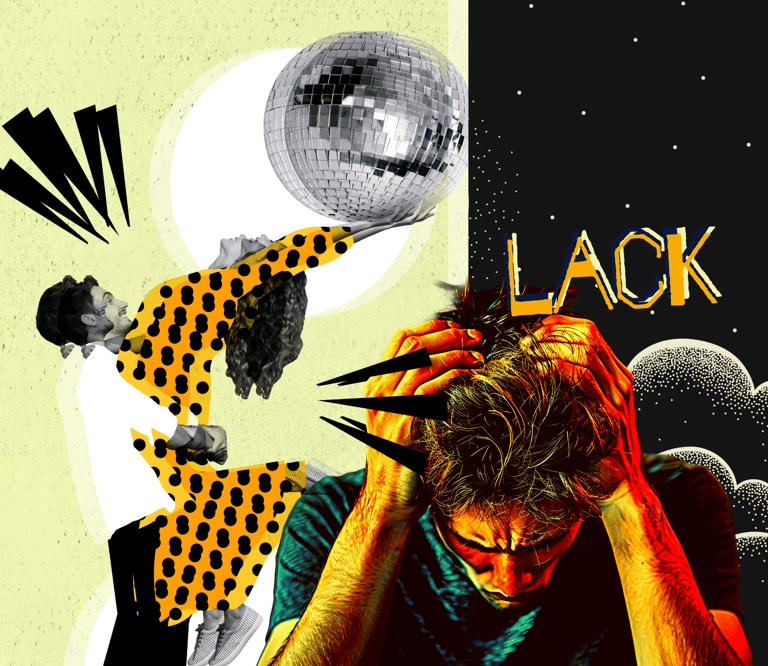
Instead of
trying to
fill or fix lack,
we can change how it lives
in the body
The real block is the reflex to compensate. When we drop external seeking and listen to the immediate, felt-sense of emptiness we've been trying to avoid, the block is lifted.


Let yourself be the soft and nonjudgemental witnessing awareness as these sensations are given the freedom to be as they are.
They eventually will dissolve in the environment you provide them, one of gentle and authentic presence.


The sense of lack is the feeling of not having enough to feel peaceful, happy, or satisfied. It may intensify when looking at a bank account or the the next shift-schedule.
A mother, stretched by emotional and household labor may feel the burden of lack most moments of her day.
What's missing may be something obvious, like time or money—but often it manifests as bitterness, restlessness, or yearning for 'something' else.